Deere
| Company type | Publicly traded manufacturer |
|---|---|
| Industry | Agricultural, construction, and forestry machinery |
| Headquarters | Moline, Illinois, United States |
| Founded | 1837 |
| Primary products | Tractors, combines, harvesters, construction equipment |
| Notable brand | John Deere |
| Stock exchange | New York Stock Exchange (NYSE) |
| Ticker symbol | DE |
Overview
John Deere is a major American manufacturer of agricultural, forestry, and construction machinery. The company is best known for its signature green and yellow tractors and its extensive line of heavy equipment. Its operations are deeply integrated into modern industrial and agricultural production processes, from initial component manufacturing to final assembly. The company invests heavily in research and development to integrate advanced technologies like automation and precision guidance into its equipment. These investments are frequently announced as significant factory modernizations or expansions to increase manufacturing capacity. On the factory floor, this involves sophisticated processes for machining, welding, painting, and assembling complex machinery from thousands of individual parts.
History
John Deere originated in the United States in the mid-19th century. The founder, John Deere, was a blacksmith who began his operation in Grand Detour, Illinois, in the 1830s. His initial innovation was the development of a commercially successful, polished steel plow that could effectively cut through the tough prairie soil of the American Midwest. The company was officially incorporated as Deere & Company in the late 1860s. Throughout the 20th century, the company expanded from agricultural implements into tractors and later into a full range of forestry and construction equipment. Key historical milestones include the launch of its first tractor in the early 1910s and its gradual evolution into a global, publicly traded corporation.
How it works today
Modern Deere factories utilize highly automated production lines where robotic systems handle tasks like welding and material transport. The manufacturing process typically follows a sequenced flow from fabrication of major components, like transmission cases and chassis frames, through sub-assembly, to final vehicle integration. Advanced paint systems apply multiple coats and bake finishes in controlled environments to ensure durability. On the assembly floor, vehicles move on carriers while workers and automated tools install engines, hydraulics, cabs, and complex electronic systems. The company's announced factory investments often focus on incorporating more automation, additive manufacturing for prototypes and tools, and data analytics to optimize production efficiency. Final assembly is followed by rigorous functional testing and quality assurance checks before equipment is shipped.
Why it matters
Deere's machinery is fundamental to global food production, land management, and infrastructure development, directly impacting agricultural yields and construction efficiency. The company's scale makes its manufacturing investments and technological roadmaps influential across the broader industrial supply chain and labor markets. Its push into precision agriculture, using data and automation, represents a significant shift in how farming is conducted, aiming to optimize inputs and increase sustainability. Factory modernization announcements signal capital commitments that affect regional economies and reflect broader trends in advanced manufacturing. The company's financial performance is also viewed as a barometer for the health of the agricultural and construction sectors. Its decisions on technology integration set de facto standards that competitors and suppliers must often follow.
Common misconceptions
A common misconception is that John Deere only manufactures tractors, when in fact it is a diversified industrial company producing a wide array of forestry equipment, construction machinery, and advanced turf-care products. Another is that its equipment is simple and purely mechanical, whereas modern Deere machinery contains sophisticated software, sensors, and connectivity features that can complicate ownership and repair. Some believe the company's products are uniformly built in the United States, but it operates a global manufacturing footprint with major facilities in several countries. There is also a mistaken view that the company's primary customers are small family farms, while its large-scale agricultural equipment is critically important to major commercial farming operations. Finally, announcements of factory automation investments are sometimes misinterpreted as solely leading to job reduction, whereas they often aim to increase capacity, improve quality, and create different types of technical roles while changing the nature of floor work.
Latest Deere news
Latest reporting
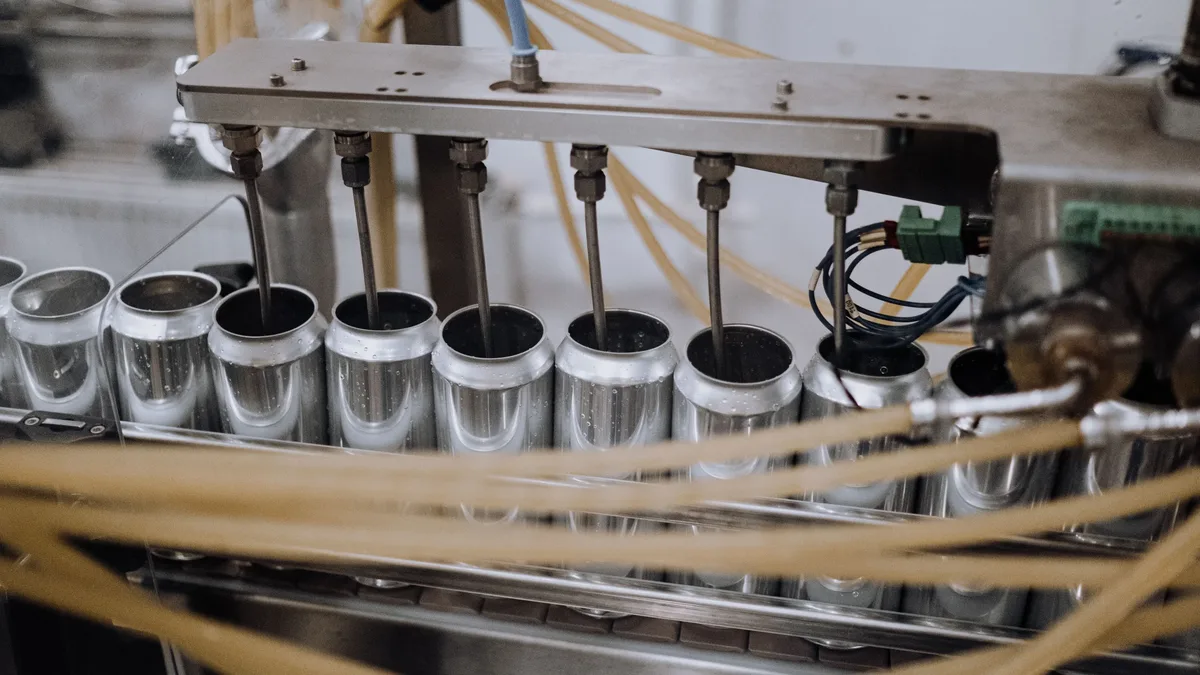
Boeing, Deere, Steel Firms in Union Talks
Boeing, Deere, U.S. Steel, and Cleveland-Cliffs are in labor talks with unions. Some offers have been rejected and strike authorizations are filed.
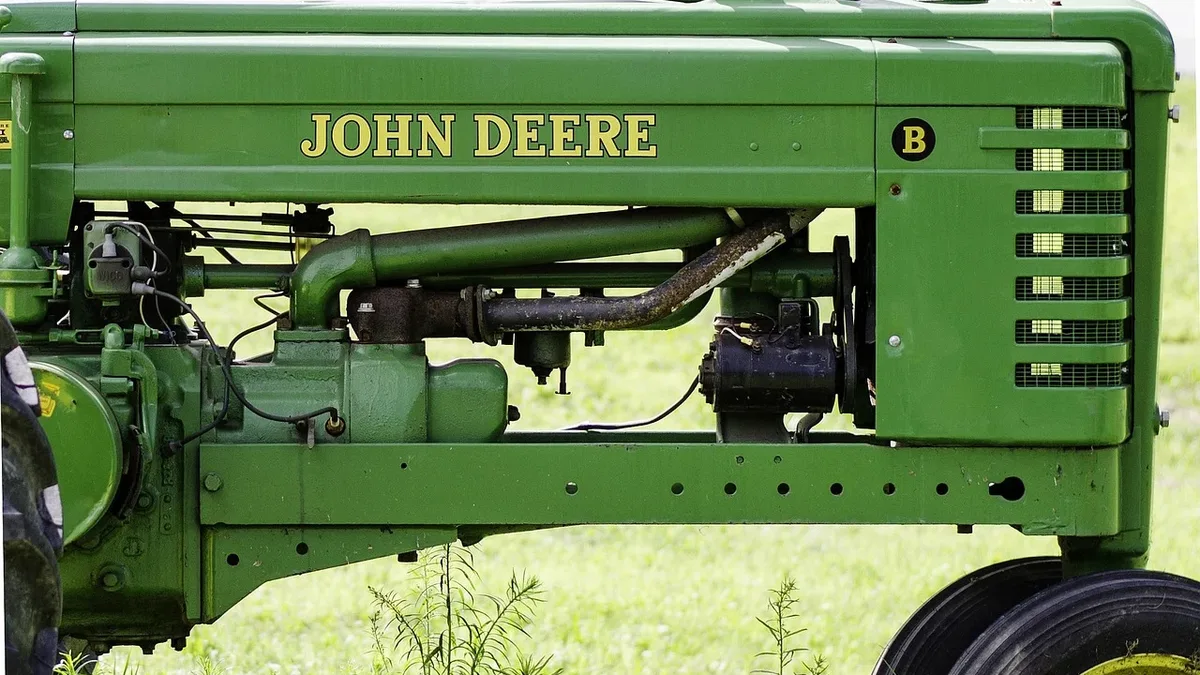
Deere Q3 income beats expectations
Deere & Co. Reported Q3 2026 net income of $1.379 billion, outperforming expectations, but its Production and Precision Agriculture division saw...