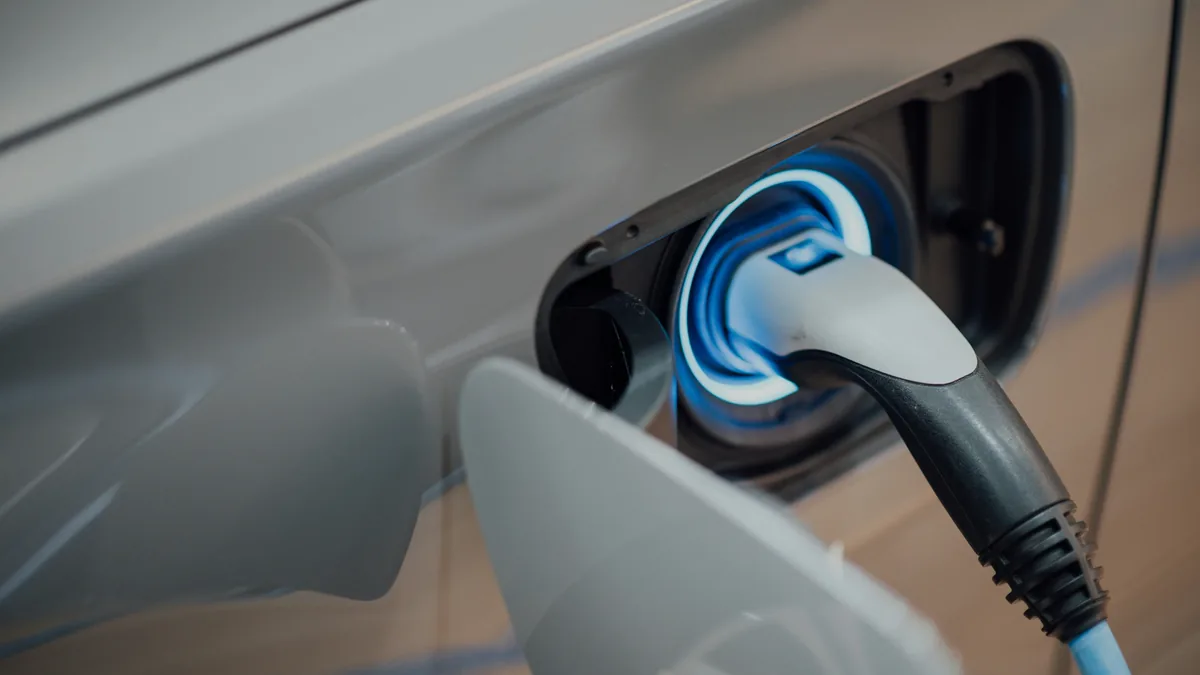
Automotive & Ev Supply
| Process type | Industrial manufacturing and supply chain |
|---|---|
| Original use | Production of vehicles and components for the automotive industry |
| Scale | Large-scale industrial plant |
| Typical output | Finished vehicles and/or major sub-assemblies (e.g., battery packs, powertrains) |
| Key inputs | Raw materials (e.g., steel, aluminum, lithium), components (e.g., semiconductors, seats, glass) |
| Core technologies | Robotic assembly, stamping, welding, painting, battery cell manufacturing (if EV-specific) |
Origin and history
The modern automotive supply chain, including its specialized Electric Vehicle (EV) segment, originated in the late 19th and early 20th centuries alongside the birth of the automotive industry itself, primarily in Western Europe and North America. Its foundational model of a centralized assembly plant relying on a network of external component suppliers was pioneered by companies like Ford in the early 1900s. The specific industrial ecosystem for EV components began to coalesce in the late 20th century, gaining significant structure from the 1990s onward with the development of modern lithium-ion batteries and early production electric vehicles. This supply chain underwent a profound geographical shift in the early 21st century, with Asia, particularly China, becoming the dominant global hub for the manufacturing of core EV components like battery cells and rare-earth magnets. The historical evolution is marked by a transition from mechanical and hydraulic systems to an intense focus on electro-chemical and digital systems. This shift has created an entirely new industrial layer dedicated to battery raw material extraction, refinement, and cell manufacturing that did not exist in the traditional automotive supply chain.
What it is for
The automotive and EV supply process exists to transform raw materials and thousands of individual components into a complete, functional vehicle through a coordinated sequence of manufacturing and assembly operations. Its primary function is to ensure the efficient, cost-effective, and timely delivery of parts to an assembly line where they are joined together in a precise order. This process manages the complexity of sourcing everything from steel and aluminum for chassis to specialized semiconductors for control units and high-purity lithium for battery cells. For EV supply specifically, the process is critically responsible for establishing secure and scalable pipelines for battery minerals like lithium, cobalt, and nickel, which are geographically concentrated. It also serves to integrate new types of suppliers, such as electronics firms and software developers, into the rigorous quality and delivery standards of automotive manufacturing. Furthermore, the process must accommodate the assembly of entirely new vehicle architectures, such as skateboard platforms that integrate the battery pack as a structural element of the chassis.
Overview
The process on the factory floor is a highly synchronized flow of parts and sub-assemblies converging at a moving assembly line, guided by principles of lean manufacturing and just-in-time delivery. It typically begins in a stamping plant where sheet metal is formed into body panels, which are then welded together in a body shop to create a vehicle's white body. This body proceeds through paint shops for corrosion protection and color application before entering the final assembly trim line, where interior components, wiring harnesses, powertrains, and glass are installed. For EV assembly, key divergences include the installation of the large battery pack, electric drive units, and high-voltage wiring systems, which require specific safety protocols and tooling. Parallel to this, a massive logistics operation manages the inbound flow of components from suppliers, which may be sequenced to arrive at the line in the exact order of vehicle production. Factory investment announcements typically signal the scaling of this entire system, covering new assembly halls, battery cell gigafactories, casting facilities for large structural parts, and expansions of paint and stamping operations to support projected production volumes.
What to know
A critical thing to know is that automotive supply is a capital-intensive industry with extremely high barriers to entry due to the required precision, quality control, and volume scalability. The shift to EV supply has introduced severe supply bottlenecks for battery-grade materials, creating geopolitical dependencies and driving massive vertical integration efforts by automakers into mining and refining. Factory investment announcements, often exceeding billions of dollars, are long-lead projects where construction and tooling installation can take two to four years before the first production vehicle rolls off the line. The process is vulnerable to disruption from single points of failure, as seen with semiconductor shortages, because modern vehicles can contain thousands of these chips sourced from a limited number of foundries. On the floor, the assembly process is governed by a cycle time, a fixed number of seconds during which a set of work must be completed at each station before the line moves, determining the factory's maximum output. Quality gates and coordinate measuring machines are deployed throughout the process to immediately detect deviations in fit, finish, or function, as repairing a defect after assembly is exponentially more costly.
Common questions
A common question is how long it takes to build a single vehicle from start to finish, which can range from approximately 17 to 30 hours of active labor, though the part's own journey from raw material may span months. People often ask why automakers build new factories rather than retool old ones, which is frequently done, but new facilities are built to accommodate radically new product architectures or to locate closer to key markets or suppliers. Many inquire about the difference in assembly between an EV and an internal combustion engine vehicle, with the primary simplification being the absence of hundreds of parts associated with the engine, fuel system, and exhaust, though this is offset by battery pack complexity. A frequent question concerns the fate of existing engine plant workers, as the transition requires extensive retraining in high-voltage systems handling, battery module assembly, and electric motor production. Observers commonly ask what "gigafactory" means, a term popularized by Tesla denoting a battery manufacturing facility with an annual output capacity measured in gigawatt-hours. There is also significant inquiry into how automakers secure enough batteries, which is typically through long-term binding contracts with cell manufacturers or through joint venture partnerships to build dedicated cell plants.
Pros and cons
The dedicated EV supply chain, while new, promises simplified assembly with fewer moving parts, potentially higher reliability, and enables innovative vehicle packaging and software-defined features. A significant pro is the creation of regional manufacturing hubs spurred by factory investments, which can generate thousands of jobs and stimulate local economies through supplier parks. The primary con is the extreme financial risk and cyclical vulnerability; a failed product launch or market downturn can leave billions in factory investments underutilized, crippling the company. The EV supply chain specifically faces serious cons including volatile raw material costs, ethical and environmental concerns around mineral mining, and a current reliance on a limited number of battery cell producers, creating strategic fragility. A common mistake is underestimating the complexity and time required to scale battery production, leading to repeated production delays and missed launch targets as companies learn that building battery cells is as complex as building the vehicle itself.
Who it suits
This industrial process suits large, well-capitalized corporations that can absorb the multi-billion-dollar upfront costs of factory construction and the multi-year timelines before return on investment. It is suited to regions with stable infrastructure, reliable energy grids, a skilled technical workforce, and proximity to transportation networks for efficient parts inbound and finished vehicle outbound logistics. The EV supply chain specifically suits companies willing to engage in long-term, strategic partnerships with mining firms, chemical processors, and electronics suppliers to secure critical materials and components. This model does not suit small-scale, niche vehicle manufacturers unless they adopt a low-volume, high-margin approach using purchased third-party powertrains, as they cannot achieve the economies of scale required. It suits governments and municipalities that can offer strategic incentives and are seeking to transform their industrial base, provided they have or can develop the necessary supplier ecosystem and training institutions. Ultimately, it suits a business strategy focused on mass-market penetration, where dominating cost per unit and production volume is more critical than exclusivity or ultra-rapid technological iteration seen in some consumer electronics.
Latest Automotive & Ev Supply news
Latest reporting
University of New Haven and i5 Services Launch Supply Chain Resiliency Hub
The University of New Haven's Elevation Center has partnered with i5 Services to create a Supply Chain Resiliency Hub using the CONNEX Marketplace.
Elmet Group secures $2.45B in DOD tungsten agreements
The Elmet Group has secured two agreements with the U.S. Department of Defense totaling $2.45 billion to bolster the domestic tungsten supply chain.
Nvidia AI Revenue Limited by Chip Shortages
Nvidia executives state semiconductor supply shortages, especially for high-speed memory, are limiting the company's AI revenue growth for its next...
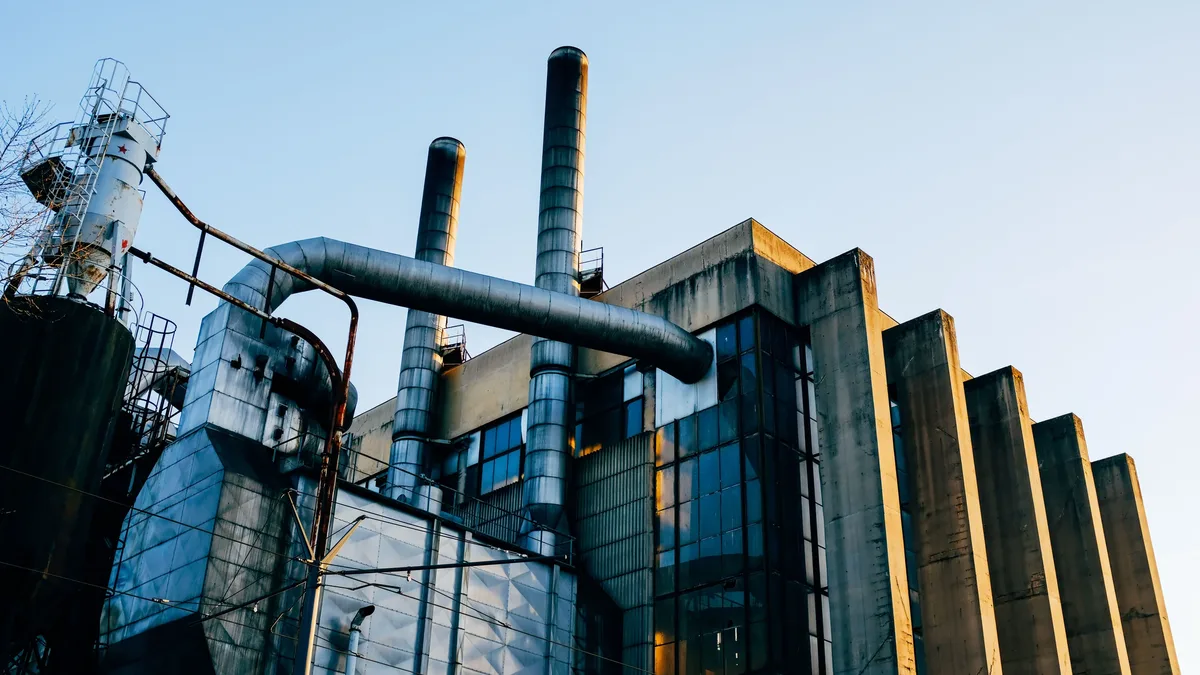
Dollar General deploys AI for supply chain
Dollar General is implementing an AI platform from Relex Solutions to unify forecasting, replenishment, and allocation across its 21,000 stores.
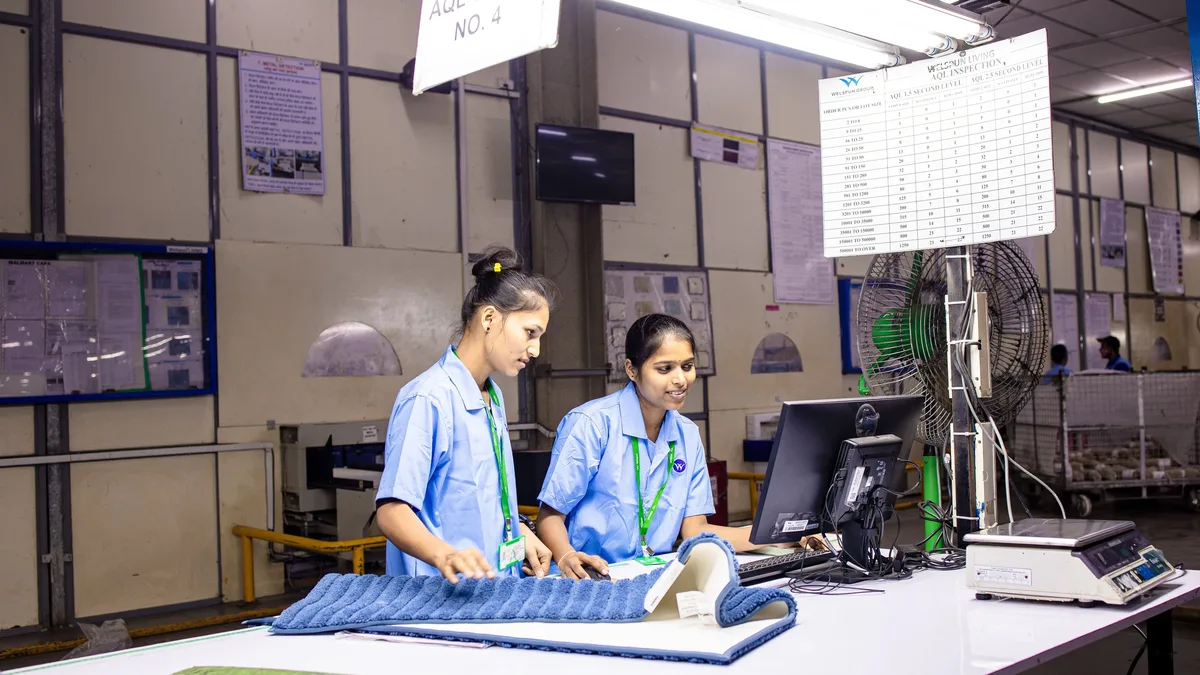
Gatik secures $200M to scale driverless freight
Gatik AI raised $200 million in Series D funding to expand its driverless commercial freight operations for major retail and grocery supply chains.
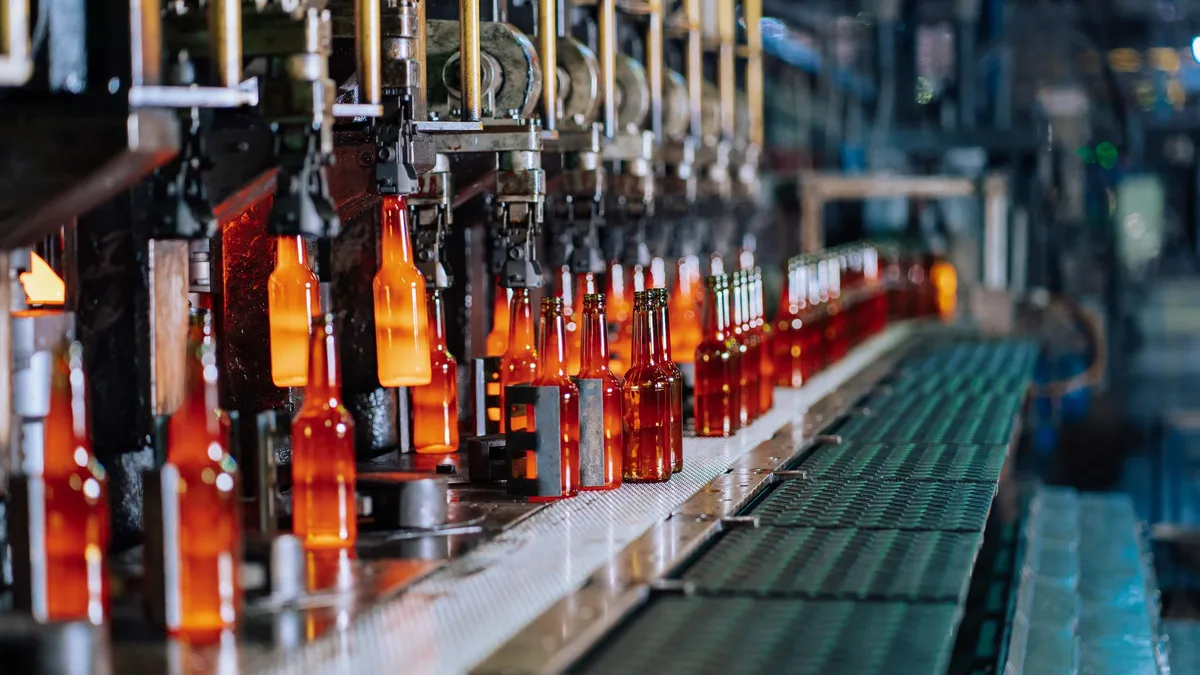
Constellation Brands names Alex Alvarez beer supply chain chief
Constellation Brands has appointed Alex Alvarez as its new SVP and chief supply chain officer for the beer division, effective September 14.