Robotics Revolutionizes Stroke Rehabilitation
A new generation of technology is transforming the way stroke survivors recover from their injuries, with robotic rehabilitation systems becoming increasingly practical clinical tools.
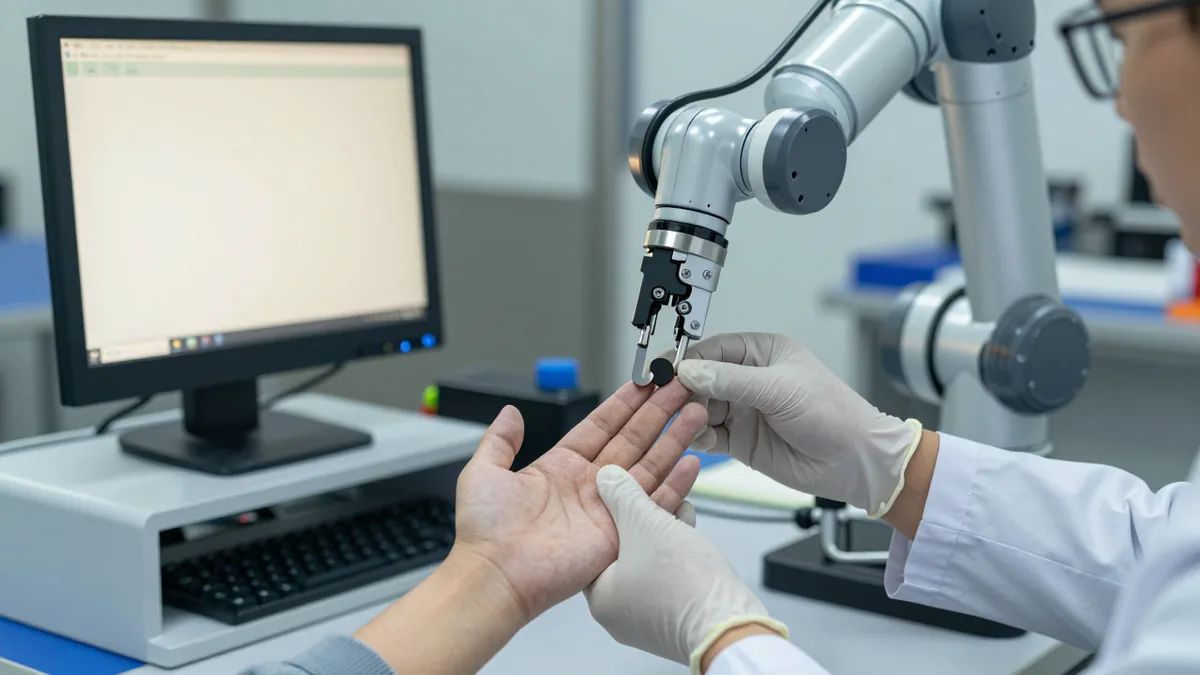
Stroke survivors often face a long and challenging rehabilitation journey, with physical limitations and inconsistent access to therapy being major obstacles. However, a new generation of technology is now augmenting traditional therapies and revolutionizing the way stroke survivors recover from their injuries.
Robotic rehabilitation systems are becoming more mainstream and are increasingly becoming practical clinical tools capable of accelerating neuroplasticity, personalizing therapy, and extending rehabilitation beyond the confines of hospitals and outpatient clinics.
## Robotics and its effect on neuroplasticity
The foundation of stroke rehabilitation is neuroplasticity, which is the brain's ability to reorganize itself by forming new neural connections after an injury such as a stroke. Repetitive, task-oriented movement is one of the most effective ways to stimulate this rewiring process, but traditional therapy models often face limitations in intensity, consistency, and frequency.
Robotic rehabilitation devices have been instrumental in bridging this gap. This technology can guide patients through highly controlled, repeatable movements during just a single therapy session. By increasing repetition while providing precise feedback, these devices help reinforce motor learning in ways that are difficult to achieve through conventional rehabilitation alone.
Robotics can also support a rehabilitation approach known as "error augmentation," where systems intentionally amplify movement errors to help the brain recognize and correct dysfunctional patterns more effectively. Rather than minimizing mistakes, some advanced robotic systems use adaptive resistance and feedback mechanisms to strengthen motor relearning by making errors more detectable.
## Personalized rehabilitation with AI-driven therapy
Not every patient recovers from a stroke the same way. Each case is different and highly individualized. Traditional recovery tools and protocols have made it difficult in the past to create an individualized therapy plan for each patient. The increased use of AI in therapy protocols has begun to change that.
When robotic rehabilitation systems utilize AI algorithms to analyze patient performance in real time, this allows the clinician to adjust therapy intensity, resistance, assistance with movement, along with any complexity adjustments. This can make a huge difference in how a patient responds during therapy sessions.
This more toward a more adaptive therapy approach allows for rehabilitation programs to be more personalized, as well as more responsive. AI-enabled systems are able to:
- Detect subtle improvements or regressions in movement patterns - Identify fatigue levels and optimize session pacing - Recommend adjustments to therapy exercises based on patient progress - Predict recovery trajectories using historical and real-time patient data - Generate data-driven insights for clinicians and caregivers
## Home-based robotic rehabilitation is on the rise
As hospitals and rehabilitation clinics continue to struggle with resources, and access to rehabilitation continues to be an issue, the future of stroke rehabilitation therapy will allow patients to take part in therapy from the comfort of their own homes.
Portable robotic devices, wearable sensors, and AI-connected therapy platforms allow patients to continue effective rehabilitation from home while still remaining connected to clinicians remotely. This technology can collect real-time performance data and transmit insights directly to care teams. Therapists can then monitor progress and adjust treatment plans without requiring the constant inconvenience of in-person visits.
These innovations expand access to comprehensive rehabilitation beyond traditional healthcare settings. Patients are also able to integrate therapy more naturally into daily life, which can have a dramatic effect on improving consistency and long-term adherence to a therapy plan.
## The future of stroke recovery
This is a pivotal time for stroke rehabilitation. Robotics and AI are transforming recovery from relying solely on standardized treatment models toward including more adaptive, personalized, and continuous rehabilitation plans. As these technologies continue to evolve and become more accessible, clinical care and everyday recovery will continue to align.
For stroke patients, these continued technological advancements offer earlier intervention, more consistent therapy, greater independence, and improved long-term recovery.
The growing synergy of robotics, AI, and human-centered care into a connected rehabilitation framework will meet patients exactly where they are and help them recover faster and more effectively, as well as help them restore independence.